Name list · official birth figures
Names that rose in three or more countries in 2025
By BabyNames.fyi Editorial Team · published
 11 names
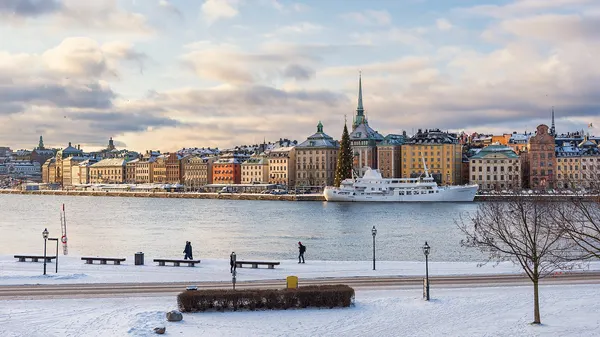 9 names
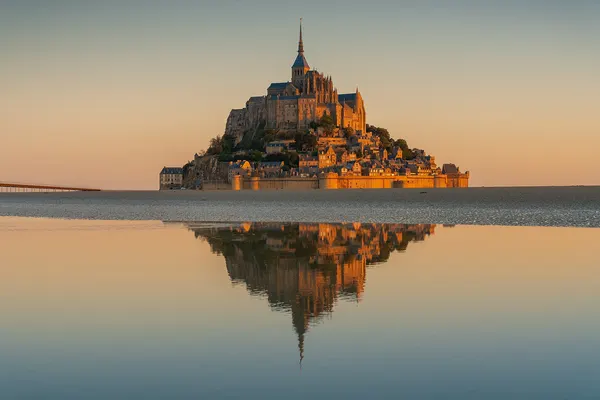 8 names
 8 names
 7 names
 6 names
 3 names
Most name trends stay local. A name can climb steadily in Sweden while nobody in Dublin notices. This list is about the exceptions: names whose births rose by at least a fifth between 2024 and 2025 in three or more places, and fell by more than a tenth in no more than one.
We compared official birth registrations from England and Wales, Scotland, Ireland, France, Norway, Sweden, Austria and New South Wales, counting boys and girls separately. Sixteen names passed. Eliana leads clearly. She rose in five places, and in England and Wales her count nearly doubled, from 416 girls to 736.
A few patterns stand out. Several winners are soft names that open and close on a vowel, like Aurora, Eliana and Diana. Scandinavian boys' names such as Björn and Viggo are spreading beyond the north. And the British Isles keep lifting older names: Mabel, Gracie and Eloise all rose again.
A rise is not the same as being common. Going from 15 births to 26 is a real change, but a small one, so the counts under each name are there to show the actual scale.
Every rise at a glance
Each flag is one place where the name rose, placed at the size of the rise. Hover or tap a flag for the counts.
Where the rises happened
How many of the names on this list rose in each place.
Up in four or five places
Only three names rose in more than three places.
2024 2025 · babies registered
-
1 girl
Hebrew for “God has answered”. The only name here to rise in five places, with the biggest jump in England and Wales, from 416 girls to 736.
England and Wales416736+77%France240310+29%Sweden65113+74%Norway2842+50%Scotland2035+75% -
2 girl
Latin for “dawn”, and the name of the Roman goddess of daybreak. Its growth is a northern story: Norway, Sweden, Scotland and Ireland all registered more Auroras.
Norway194238+23%Sweden92111+21%Scotland7489+20%Ireland4865+35% -
3 boy
A Germanic name tied to the mind and intellect. It rose in New South Wales, Ireland, Norway and Scotland, while France, where it is far more common at 1,600 boys, stayed close to level.
New South Wales192231+20%Ireland93117+26%Norway5064+28%Scotland3644+22%
Girls up in three places
2024 2025 · babies registered
-
4 girl
A shortening of Amabel, from Latin amabilis, “lovable”. England and Wales registered 1,527 Mabels in 2025, the largest count of any name on this list.
England and Wales1,1131,527+37%Scotland5070+40%Ireland3152+68% -
5 girl
The pet form of Grace. It gained in England and Wales, Scotland and Ireland, with the sharpest rise in Ireland, from 34 girls to 57.
England and Wales447539+21%Scotland78112+44%Ireland3457+68% -
6 girl
“Soft, delicate” in Arabic and “it is raining” in Zulu. France saw the steepest climb, from 100 girls to 205, and it grew in England and Wales and Sweden too.
England and Wales309425+38%France100205+105%Sweden4470+59% -
7 girl
Latin for “divine”, and the Roman goddess of the moon and the hunt. Its gains came in France, Sweden and Norway, while England and Wales held steady.
France270325+20%Sweden5472+33%Norway2130+43% -
8 girl
From the Old German Helewidis, usually read as “healthy”. New South Wales, Scotland and Ireland all registered more, Ireland going from 20 girls to 33.
New South Wales131162+24%Scotland3648+33%Ireland2033+65% -
9 girl
“Dark blue” or “sapphire” in Sanskrit and “moon” in Tamil. Still rare everywhere: France went from 20 girls to 40, England and Wales from 44 to 64.
England and Wales4464+45%France2040+100%Sweden1626+63% -
10 girl
Linked to the laurel and to Larisa. A modest climber, up by between 8 and 14 births in each of Ireland, Scotland and Norway.
Ireland3347+42%Scotland3442+24%Norway2836+29%
Boys up in three places
2024 2025 · babies registered
-
11 boy
An English trade name meaning “barrel maker”. It rose in England and Wales, Scotland and New South Wales, where 227 boys were given it in 2025.
England and Wales384493+28%New South Wales188227+21%Scotland4065+63% -
12 boy
Old Norse for “bear”. Sweden and Norway account for most of the growth, but England and Wales also went from 41 boys to 70.
Sweden291358+23%Norway79119+51%England and Wales4170+71% -
13 boy
A medieval Tuscan short form of Durante, meaning “enduring”. Sweden uses it most, with 279 boys in 2025, up from 213.
Sweden213279+31%England and Wales6184+38%France2530+20% -
14 boy
An Old Norse name built on víg, “battle”. Already familiar in Sweden, it is now climbing in France and appearing more often in England and Wales.
Sweden229281+23%France3560+71%England and Wales1526+73% -
15 boy
“Blessed” and “prosperous” in Arabic, “fierce” in Turkish. Its rise in England and Wales, from 20 boys to 51, is the steepest of any name here.
France75110+47%England and Wales2051+155%Sweden2430+25% -
16 boy
The short form of Zachary, from Hebrew for “Yah has remembered”. Given more often as a name in its own right in England and Wales, Ireland and France.
England and Wales7794+22%Ireland4862+29%France2025+25%
How this list was made
Figures are births registered in each place, for boys and girls separately, from the national statistics offices: ONS (England and Wales), National Records of Scotland, CSO (Ireland), INSEE (France), Statistics Norway, the Swedish Tax Agency, Statistics Austria and the NSW Registry of Births, Deaths and Marriages. Austria publishes only its most common names, and none of them met the bar this year. Spellings that differ only by accents, such as Björn and Bjorn or Eliana and Éliana, are counted together. Elena and Kai also rose in three places but fell in three others, so they are left out.
Sources: ONS, National Records of Scotland, CSO Ireland, INSEE, Statistics Norway, Skatteverket, Statistik Austria, NSW BDM. Methodology. Flags: flag-icons (MIT licence).
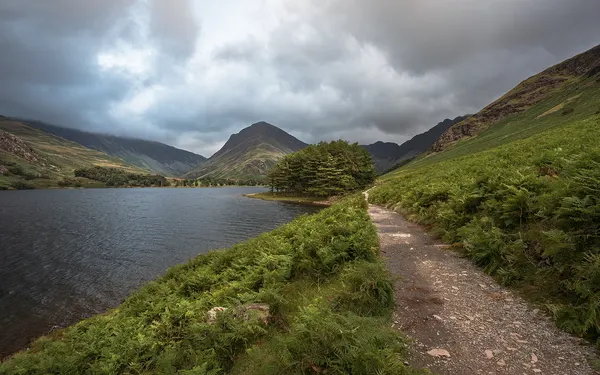
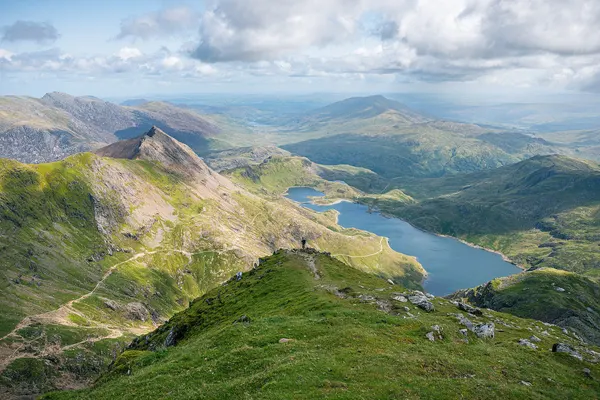
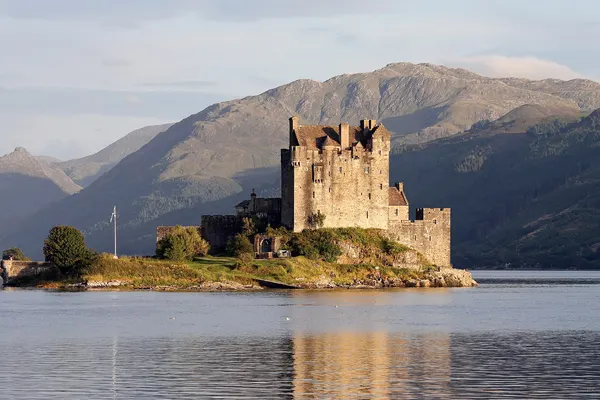
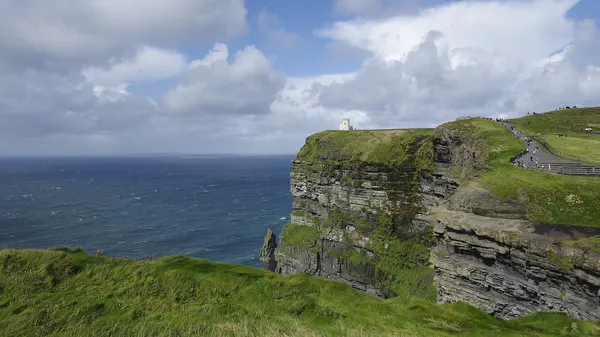
Photos from Wikimedia Commons. Buttermere, Lake District: photo by Julian Herzog, CC BY 4.0, resized and cropped; Yr Wyddfa and Llyn Llydaw: photo by Julian Herzog, CC BY 4.0, resized and cropped; Gamla stan, Stockholm: photo by Julian Herzog, CC BY 4.0, resized and cropped; Mont-Saint-Michel: photo by Lynx1211, CC BY-SA 4.0, resized and cropped; Eilean Donan: photo by Eusebius, CC BY 3.0, resized and cropped; Cliffs of Moher: photo by Berthold Werner, CC BY-SA 4.0, resized and cropped; Reine, Lofoten: photo by Ximonic (Simo Räsänen), CC BY-SA 4.0, resized and cropped; Three Sisters, Blue Mountains: photo by Dietmar Rabich, CC BY-SA 4.0, resized and cropped.


